
NAD+ (Nicotinamide Adenine Dinucleotide)

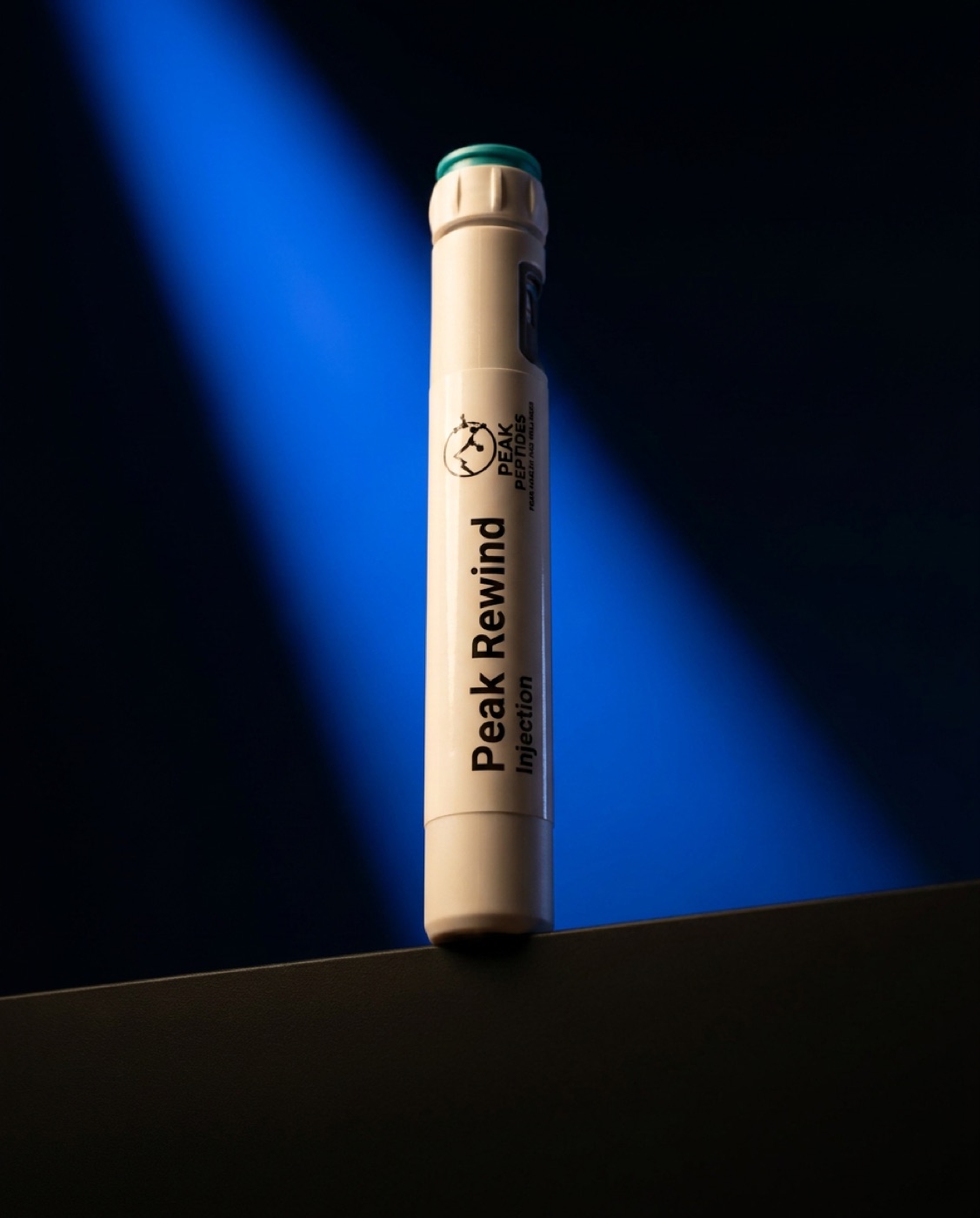
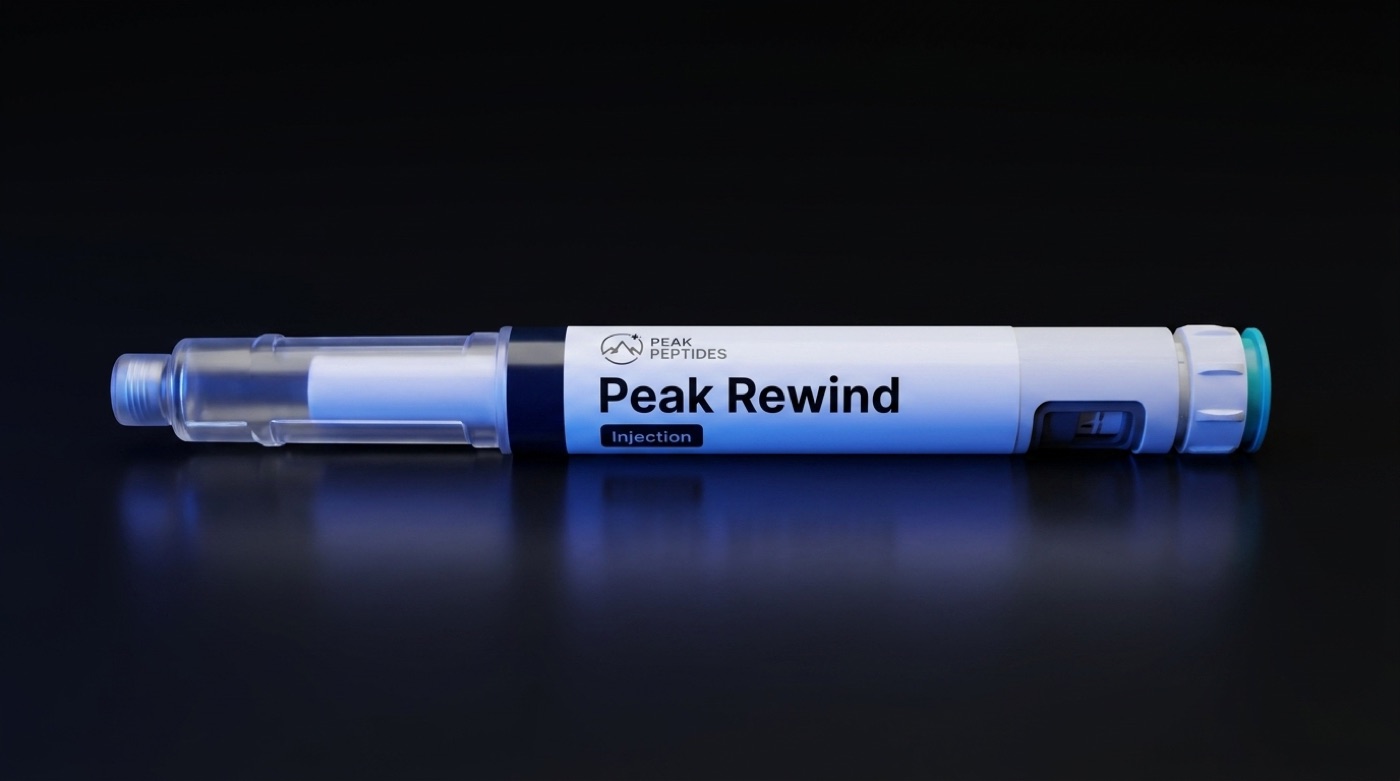
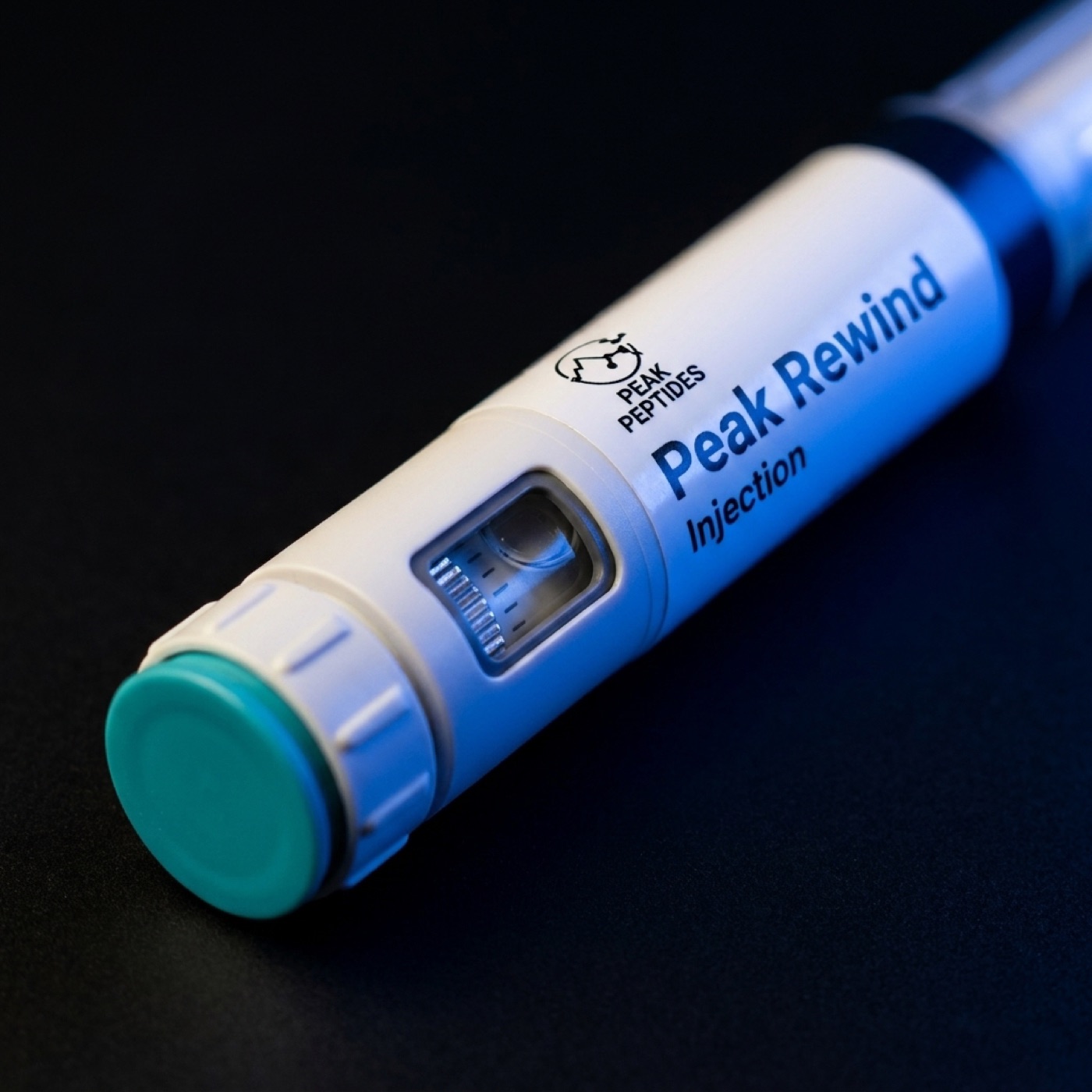
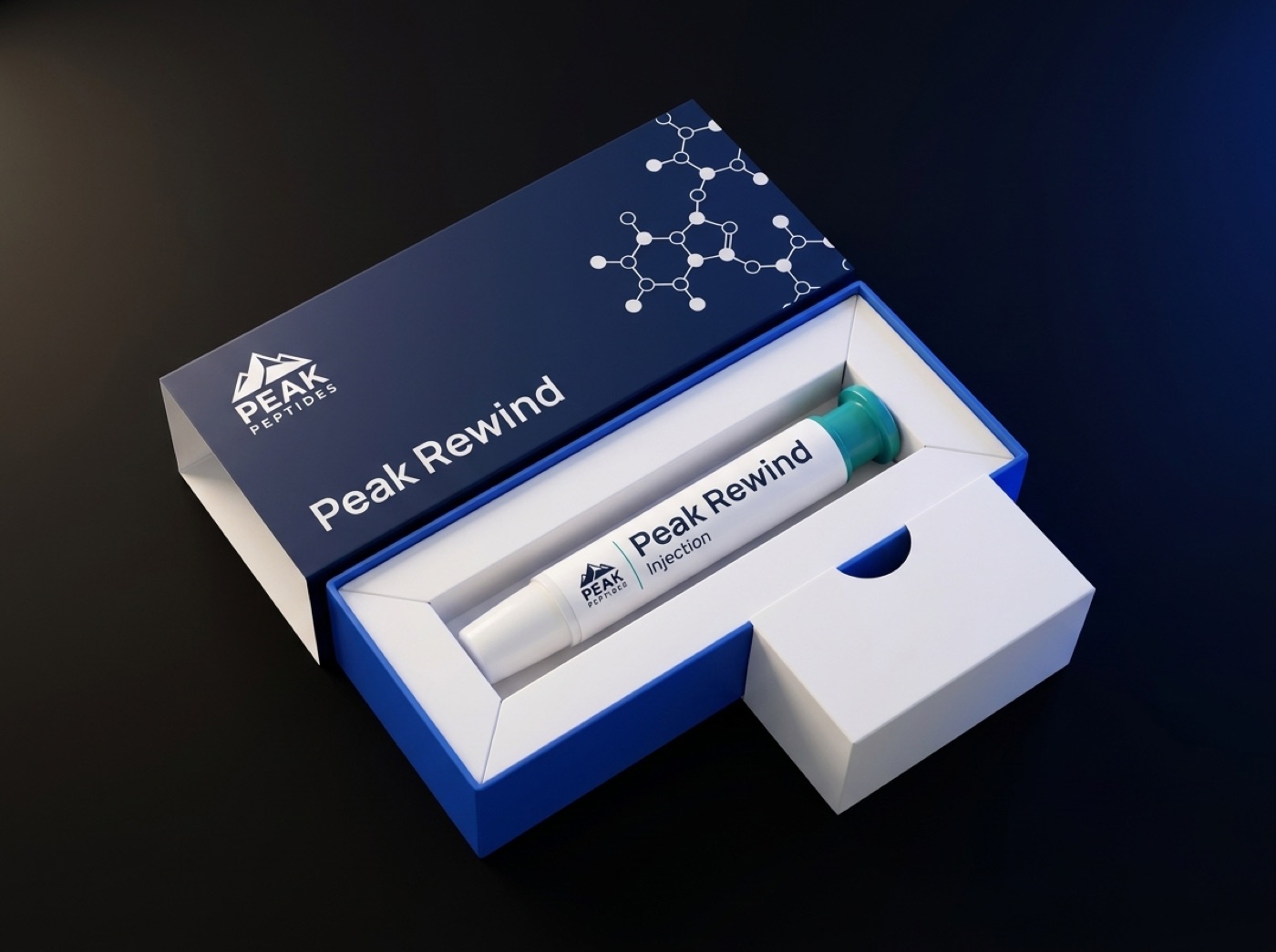
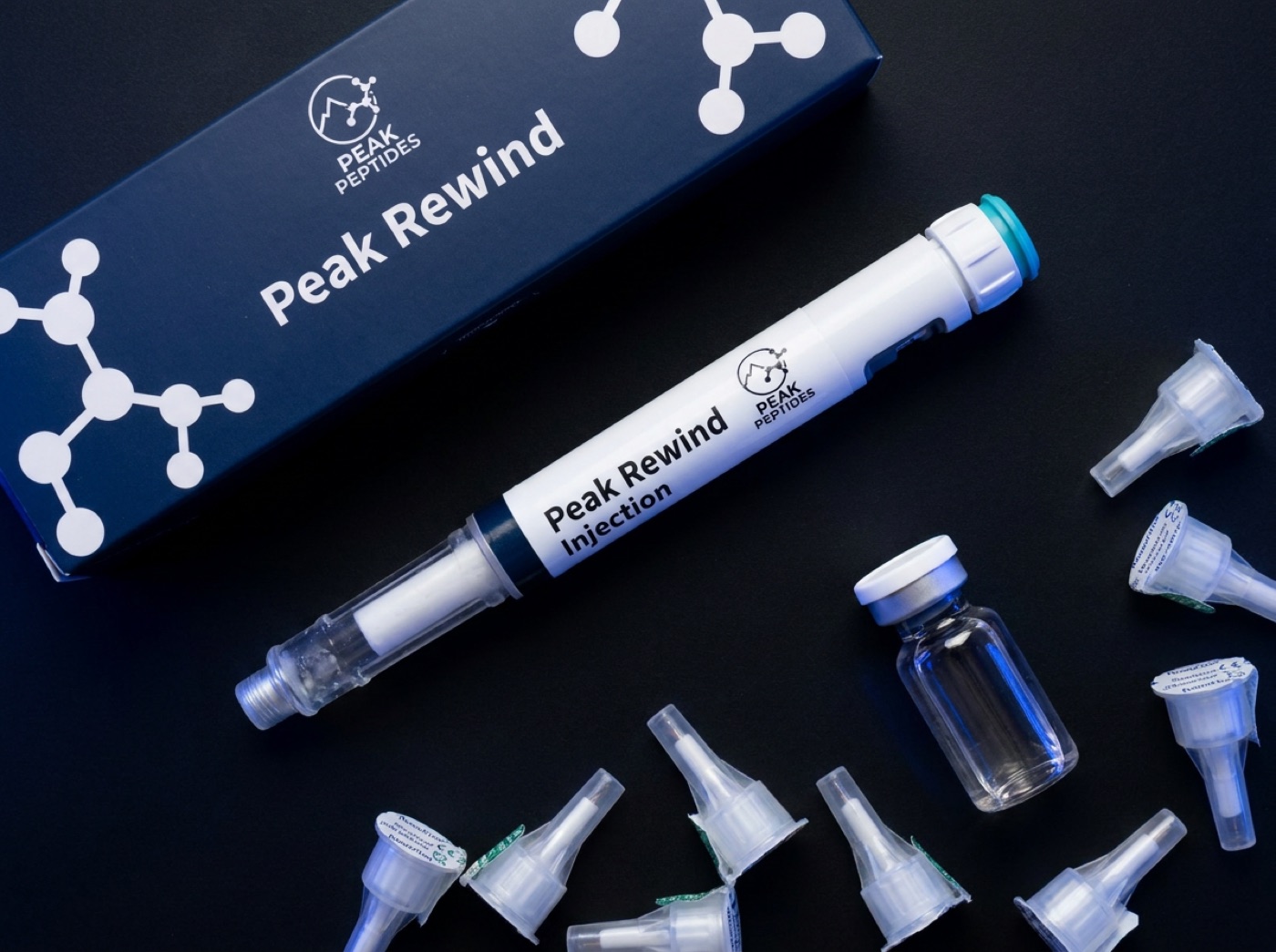
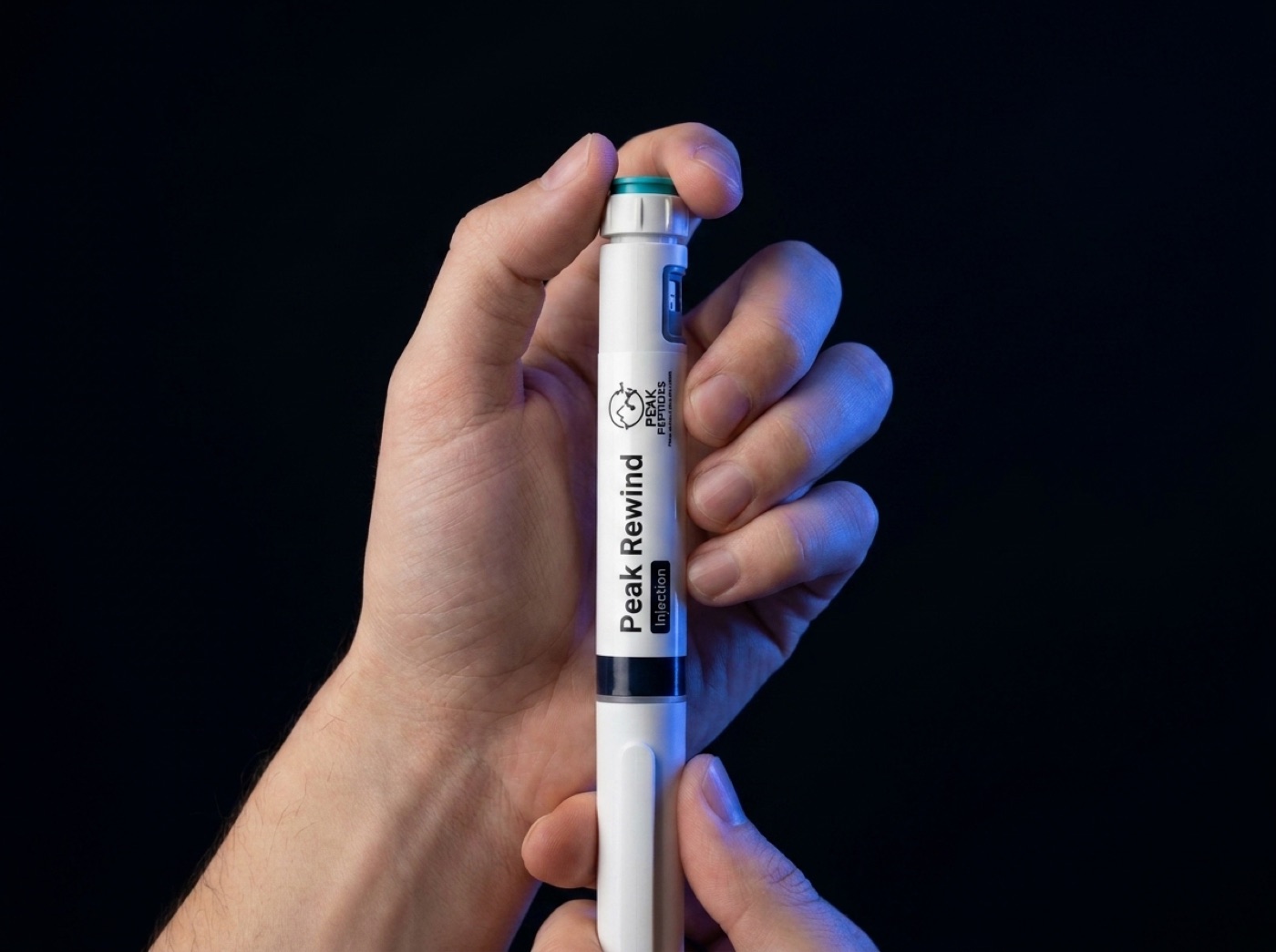
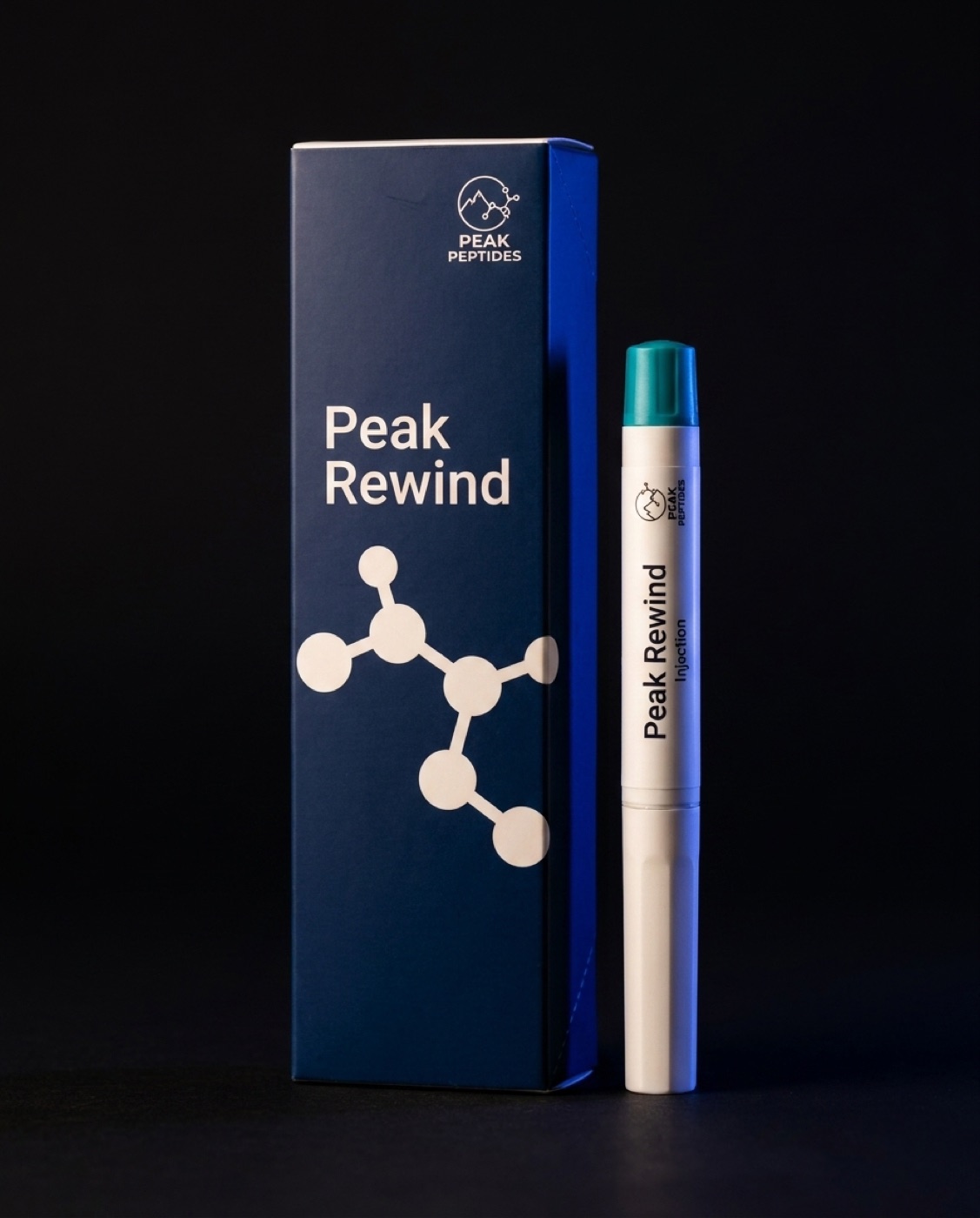
Peak Rewind

The molecule your cells run on. Depleting since your thirties.

$299 AUD · $9.97/day · 30-day supply

Lyophilised powder vial · Intramuscular injection · Self-administered

30-day full refund if you don't notice a difference. No return required.

2.7×
Peak blood NAD+ metabolome elevation in dose-ranging human clinical trial
Trammell et al. · Nature Communications 2016 · University of Iowa
Australian Compounded
4.9 · 847 Reviews
30-Day Guarantee
Express Delivery AU-Wide

What NAD+ Actually Does.

Every cell in your body runs on NAD+. By 50, you have half of what you had at 20. The decline isn't theoretical — it's measurable in blood, in energy, in how fast you repair damage.

Step 01

Sirtuin Activation

The longevity enzymes

Sirtuins (SIRT1-7) are the longevity enzymes — they regulate DNA repair, gene expression, metabolic efficiency, and the inflammatory response. All seven require NAD+ as an obligatory cofactor. Without NAD+, they don't function. This is why NAD+ depletion correlates so strongly with the hallmarks of aging: sirtuins are increasingly starved of the molecule they need to run. Restoring NAD+ restores their function — not as a metaphor, as a biochemical fact.
Step 02

DNA Repair via PARP

The repair substrate

PARP enzymes (Poly-ADP-Ribose Polymerases) repair single-strand DNA breaks — which occur approximately 10,000 times per cell per day from UV, oxidative stress, and normal metabolic activity. PARP consumes NAD+ as substrate at every repair event. As NAD+ declines, DNA repair slows. Unrepaired DNA breaks accumulate. This is one of the primary mechanisms linking NAD+ depletion to cancer risk, accelerated aging, and cognitive decline — and it's reversible with NAD+ restoration.

Step 03

Mitochondrial Energy

The fuel cell

NAD+ is the central electron carrier in cellular respiration — the process by which mitochondria convert glucose and fat into ATP. Without NAD+, your mitochondria cannot run the Krebs cycle or the electron transport chain at full efficiency. The fatigue associated with aging isn't just "getting older" — it's measurable mitochondrial dysfunction driven partly by NAD+ depletion. Restoring NAD+ levels measurably increases mitochondrial output, which is why users consistently report improved energy within weeks of starting.

The Research.

These are NAD+'s published clinical findings from peer-reviewed sources — the compound in Peak Rewind.

Trammell et al. · Nature Communications 2016 · University of Iowa · NAD+ Pharmacokinetics in Humans

"Single doses of 100, 300, and 1,000 mg produced dose-dependent increases in the blood NAD+ metabolome. Human blood NAD+ rose as much as 2.7-fold with a single dose in a pharmacokinetic study. Nicotinic acid adenine dinucleotide (NAAD) was identified as a highly sensitive biomarker of effective NAD+ repletion."

The first human pharmacokinetics study for NAD+ precursor supplementation, establishing dose-dependent NAD+ elevation in human blood. The 2.7-fold peak was observed at the highest dose in the pilot subject; dose-ranging data across additional subjects confirmed the elevation is consistent and measurable within hours of administration.

Rajman et al. · Cell Metabolism 2018 · NAD+, Sirtuins, and Aging

"NAD+ decline with age is both a cause and consequence of cellular dysfunction. Restoring NAD+ in aged mice reversed muscle wasting, improved mitochondrial function, and extended median lifespan. The mechanism is primarily sirtuin reactivation — sirtuins are functionally silent without adequate NAD+ substrate."

The Cell Metabolism paper established the mechanistic link between NAD+ and longevity in animal models, which the Clement human study later confirmed translates to human tissue. The sirtuin connection is why NAD+ is the compound David Sinclair (Harvard Medical School) has most publicly researched and supplemented himself.

The Schedule.

NAD+ is a daily restoration protocol — not as-needed. Consistent dosing maintains elevated intracellular levels.

Phase Duration Frequency Expected Effect
Repletion Weeks 1–4 Daily Energy improvement — typically first signal at weeks 2–3
Restoration Weeks 5–12 Daily Measurable NAD+ elevation; cognitive clarity improvement
Maintenance Weeks 13+ Daily (or 5 days/week) Sustained levels; the effects degrade within weeks of stopping
Stack timing Morning administration preferred — NAD+ feeds wakefulness and metabolic activity, not sleep

Protocol based on NAD+ human clinical trial data. NAD+ levels decline continuously with age and require ongoing supplementation to maintain — this is not a treatment course with an endpoint. Not medical advice. Consult a healthcare professional before use.

They Ran It.

10,347 Australians
4.9★ · 847 reviews
1-in-3 re-order within 60 days

Common Questions.

NMN (nicotinamide mononucleotide) and NR (nicotinamide riboside) are NAD+ precursors — the body converts them into NAD+ after absorption. The conversion is efficient in younger tissue but degrades with age, which is one reason oral NMN/NR supplementation shows inconsistent results in older adults. Peak Rewind delivers NAD+ directly — no conversion required, which is why the bioavailability is categorically different from oral precursors. The Trammell et al. (2016) human pharmacokinetics study confirmed that NAD+ repletion is dose-dependent and measurable in blood within hours of administration.
NAD+ begins declining in your thirties — measurably, not theoretically. By 50, intracellular NAD+ is typically 40–50% below peak. The research shows the largest restorative effect in subjects with the greatest depletion (typically 50+), but the preventive case for starting in your late thirties or forties is strong. You're not waiting until the decline is dramatic — you're maintaining the level that prevents it becoming dramatic.
This is one of the most common stacks we see. Retatrutide (Burn) drives significant metabolic activity — fat oxidation, receptor activation, metabolic reprogramming. NAD+ is a primary substrate for the metabolic pathways involved. Running Rewind alongside Burn supports the mitochondrial demand Retatrutide creates. There are no known pharmacological interactions between Retatrutide and NAD+.
NAD+ has an excellent safety profile across all published human studies. The most commonly reported effect on first administration is a transient flushing sensation — similar to niacin flush — which resolves within 15–30 minutes and typically diminishes after the first week. Some users report mild fatigue on the first day of administration as cells upregulate metabolic activity. There are no serious adverse events attributed to NAD+ supplementation in any published human study.
30-day full refund, no return required. Energy improvement is the first measurable signal — typically within 2–3 weeks. If you don't notice improved energy, cognitive clarity, or recovery within 30 days, we return your $299. The science is published. If it's not working, we want to know about it.
Peak Rewind ships as lyophilised powder in a sterile vial. Reconstitute with sterile water for injection. NAD+ is most commonly administered intramuscularly (deltoid or thigh). IV administration is an option in a clinical setting. Ships stable at ambient temperature; refrigerate on arrival and use within 7 days of reconstitution.
Standard workplace and roadside drug screens test for recreational substances and common medications — peptides will not appear on these screens. If you compete in a WADA-sanctioned sport, verify the current prohibited list at wada-ama.org before use, as regulations update annually. We recommend confirming with your sport's governing body before any sanctioned competition.